
5-Year Warranty? Make Sure You Ask the Right Questions
The Warranty Period Is Only Part of the Story
When you're comparing excavator attachments, skid steer attachments or other earthmoving equipment, warranty periods can look like an easy way to compare suppliers.
12 months. 2 years. 5 years.
Naturally, a 5-year warranty sounds better than a 12-month warranty.
But the number alone doesn't tell you what is actually covered.
Two suppliers can both advertise a 5-year warranty while offering very different coverage. Before making a purchasing decision based on the warranty period, it's worth asking a few more questions.
What Does the 5-Year Warranty Actually Cover?
This is probably the most important question.
Does the five-year warranty cover the complete attachment?
Or does it only cover defects in the main fabricated attachment, materials or workmanship?
Hydraulic motors, cylinders, rotators, gearboxes, valves, electrical components, hoses, seals, pins, bushes, cutting edges and other components may all have different warranty periods or exclusions.
Don't assume that because an attachment is advertised with a 5-year warranty, every component attached to it is covered for five years.
Is It a Product Warranty or a Manufacturing Defect Warranty?
There can be an important difference.
A warranty against defects in materials, manufacture and workmanship is not necessarily a promise that anything that fails during the warranty period will automatically be repaired or replaced.
The cause of the failure still matters.
Normal wear and tear, impact damage, misuse, incorrect hydraulic setup, overloading, inadequate maintenance and other operating conditions may not be covered.
Ask the supplier what they mean when they say “5-year warranty.”
What About Hydraulic and Mechanical Components?
This is particularly important when you're purchasing more complex attachments.
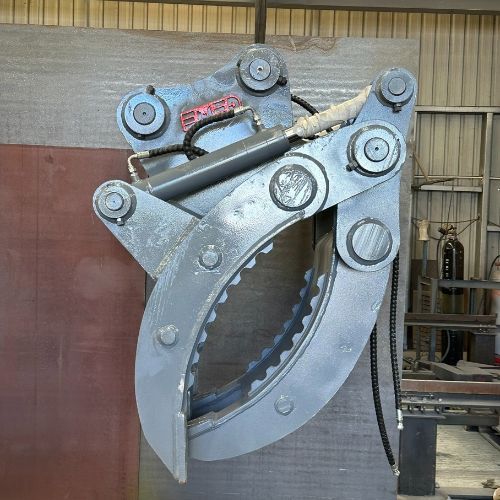
A bucket and a rotating hydraulic grapple may both be advertised with the same headline warranty period, but the potential components involved are very different.
Ask specifically about:
- hydraulic cylinders;
- hydraulic motors;
- rotators and slew drives;
- gearboxes;
- valves and solenoids;
- electrical components; and
- hoses, seals and other wear components.
Find out whether these components have the same warranty period as the main attachment or their own separate coverage.
Who Is Actually Providing the Warranty?
Ask who stands behind the warranty.
Is the warranty being provided directly by the Australian supplier?
Is it a manufacturer's warranty?
Does the Australian supplier assess and handle the claim, or does approval need to come from an overseas manufacturer?
If something goes wrong, you want to know who you're actually dealing with before you buy.
What Happens If You Need to Make a Claim?
A warranty is only useful if you understand how to use it.
Ask:
- Who do I contact?
- What information will I need to provide?
- Will photos or video be enough for the initial assessment?
- Will the attachment need to be returned?
- Where does it need to be returned to?
- Who pays the freight?
- What happens if the claim is accepted?
- What happens if the problem is found not to be a warranty defect?
- Will the attachment be repaired, will the component be replaced, or will the complete attachment be replaced?
These details can matter considerably when you're talking about an attachment weighing hundreds of kilograms — or several tonnes.
What Is Considered Wear and Tear?
Attachments are working equipment.
Pins, bushes, bearings, seals, hoses, teeth, cutting edges, blades and other components can naturally wear through use.
Ask how the supplier distinguishes between normal wear and tear and an actual manufacturing defect.
A component failing during the warranty period doesn't necessarily mean it is automatically covered — but equally, simply calling something a "wear item" shouldn't prevent a genuine manufacturing defect from being assessed.
Read More Than the Headline
We're certainly not saying a long warranty is a bad thing.
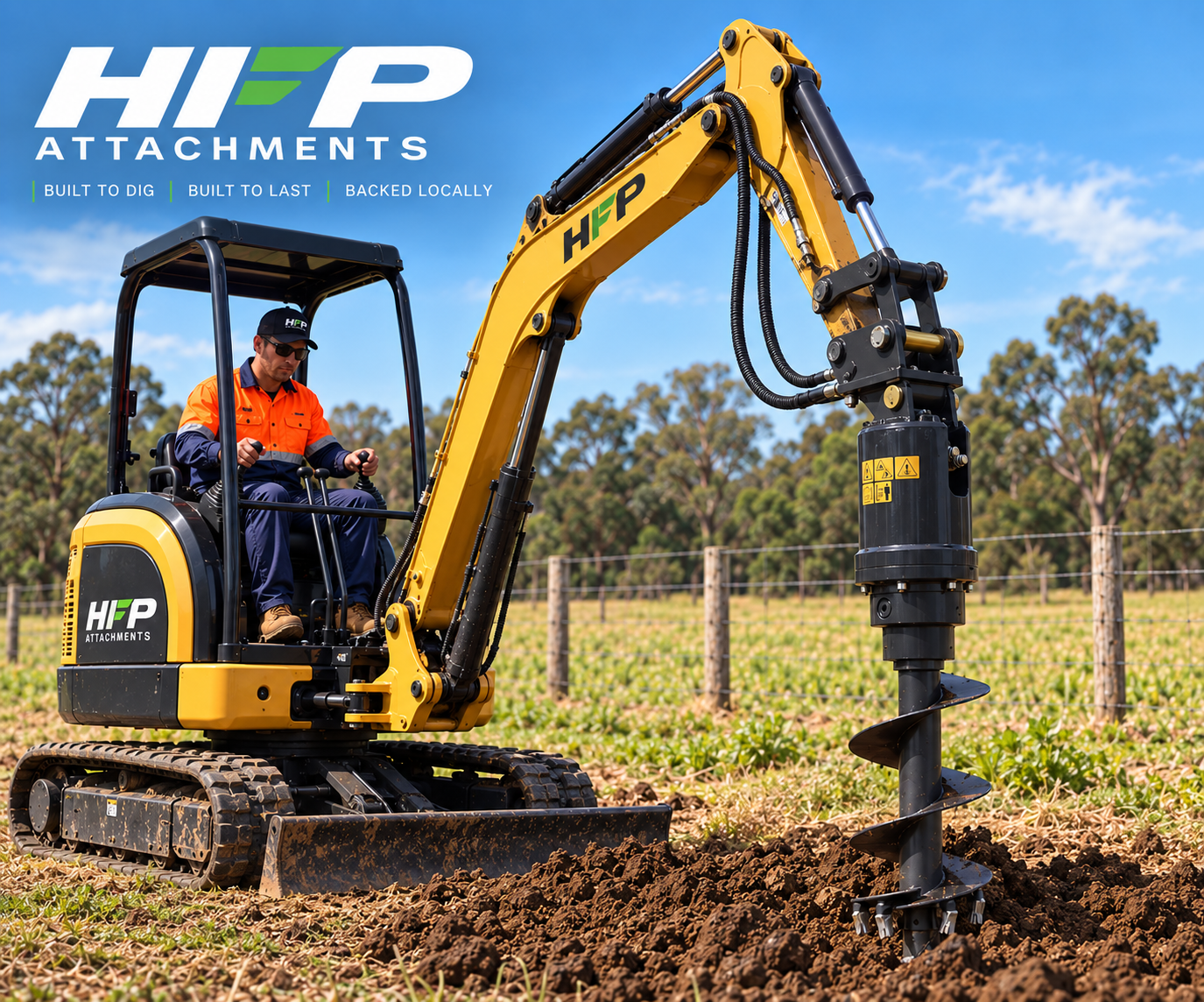
HFP Attachments now offers a 5-Year Warranty on eligible HFP-branded attachments.
But we also believe customers should understand what those five years actually mean.
Our 5-year coverage applies to the main attachment against original defects in materials, manufacture and workmanship.
Hydraulic, mechanical and electrical components are covered for 12 months unless a different warranty period is expressly stated for that product or component. Wear and consumable components are excluded from normal wear and tear, while genuine manufacturing defects are assessed under the applicable warranty.
All HFP warranty claims are handled directly through our Australian team.
Compare the Warranty, Not Just the Number
When you're comparing two attachments, don't stop at:
“How long is the warranty?”
Ask:
“What exactly is covered for that period?”
A clear warranty should tell you what is covered, what isn't, how long different components are covered, how a claim is assessed and who you'll be dealing with if something goes wrong.
Those are the questions worth asking before you buy — not after something fails.